Teaching Kids to Not Only Receive but Also Give Gifts
Explore why it's important to teach kids the value of gift-giving, how to engage children of different ages in the process, and which family traditions can help develop empathy.
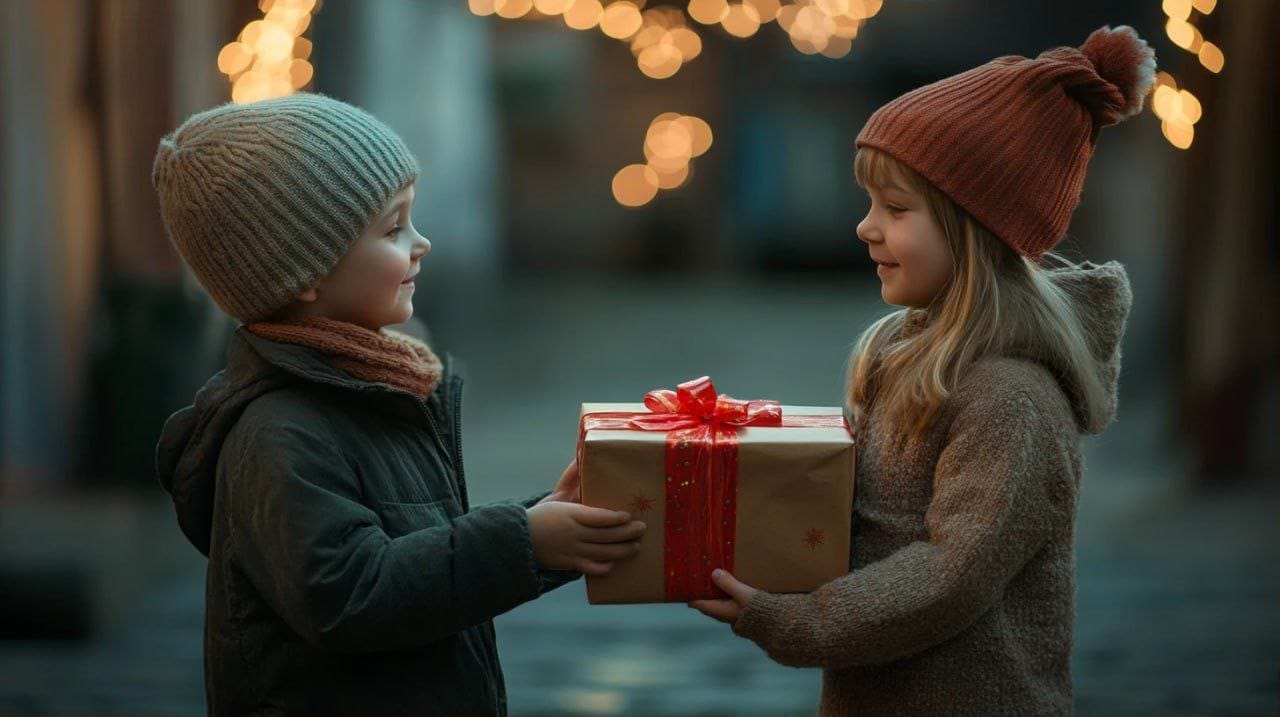
Little ones are easily delighted by gifts; they find joy in any little surprise. But as they grow, the challenge deepens. Often, in the pursuit of the perfect gift, parents may overlook the importance of teaching children to understand, not just to feel happy. This way, children will be more engaged in both receiving and giving gifts.
Why Teaching Kids to Give Gifts is Important
Here’s what children gain by learning to surprise others:
- Developed empathy and understanding of others' feelings – When a child picks out a gift, they start considering the interests, tastes, and preferences of the recipient.
- Planning and time management skills – Choosing a gift requires effort and planning: brainstorming ideas, considering the budget, shopping, and wrapping the gift. This process enhances creativity.
- Strong family traditions – Preparing for celebrations and giving gifts together strengthens family bonds and creates cherished traditions that will be remembered for years.
- Gratitude for gifts – When a child becomes a giver, they realize how rewarding it is to see someone else's joy and to hear a heartfelt “thank you” for the thought and effort put into the gift.
How to Explain to Kids Why Giving Gifts Matters
We’ve gathered simple words and examples to help kids understand the importance of giving.
Gifts show care and attention
Explanation: When we give gifts, we demonstrate to our loved ones that they are important to us. We think about what they might like and strive to make them happy.
Example: Remember how excited you were about that big toy car you got? Imagine how happy your brother will be if you give him something he has wanted for a while. What do you think he dreams about?
Gifts strengthen friendships
Explanation: Gifts help us become closer to each other. When we do something nice for others, they feel our love and attachment.
Example: When you give a gift to your friend, they understand you value your friendship, making your relationship even stronger.
Gifts bring joy and happiness
Explanation: The pleasure is not only in receiving gifts but also in giving them. Seeing the joy and surprise in loved ones is a great reward.
Example: Remember the joy when you gave Grandma a card you made? She was so happy, and it made you feel good too, right?
Gifts teach understanding others' feelings
Explanation: When we choose gifts, we think about what the other person likes. This teaches us to respect others' interests and desires.
Example: If your sister loves dolls and flowers, giving her a set of toy guns might not make her as happy. So, it’s important to know what truly interests her.
Gifts create memories
Explanation: Gifts create delightful memories. When we give something good to someone, it remains in their memory and ours for a long time.
Example: Remember when we gave Dad a model airplane for his birthday? He was so thrilled, and now the assembled model sits on his desk, reminding him of that wonderful celebration.
How to Involve Kids in the Gift-Giving Process
We’ve compiled practical tips and broken them down into age groups.
Ages 0 to 3
At this early age, children begin to understand the world around them and learn to interact with it. The main goal at this age is to attract the child’s attention to the process and lay the groundwork for understanding gift-giving.
Lead by example. When giving a gift, explain to your little one what is happening. For example: “We bought Grandma a gift because we want to make her happy.”
Invite participation. Allow the child to engage in simple actions, like wrapping the gift or giving it to the recipient. This helps them feel part of the process.
Use toys. Play role-playing games with the child where they can “give” gifts to their toys. This helps them grasp the basic concepts of giving.
Ages 3 to 5
During this age, kids start to understand social interactions better and can take more active roles in gift-giving. Moreover, three-year-olds happily start giving drawings and crafts to loved ones, making engagement in the gift-giving process even easier.
Choose gifts together. Take your child with you to the store and let them pick a gift for a family member. If ordering gifts online, let them click to add items to the cart and help retrieve the package at the pickup location. During the selection, explain why the chosen item might please the recipient.
Engage in joint creativity. Help the child create gifts by hand—these could be drawings, collages, or simple crafts. Children at this age love to express their creativity.
Create festive traditions. Begin introducing family traditions related to gift-giving.
Ages 5 to 7
Children in this age group can approach gift-giving more consciously and understand the significance of gifts.
Discuss gifts together. Hold family meetings where everyone can share ideas about gifts for other family members. This teaches the child to consider others’ opinions and desires.
Teach budgeting. Explain the concept of budgeting to the child and help them allocate funds for gift purchases.
Trust their choices. Give the child more freedom in gift selection. They can decide what to buy based on their observations and understanding of the recipient.
Prepare surprises together. Help the child organize a small surprise for a loved one. This could be a little game or a hidden gift.
Ages 7 to 10
At this age, children are quite independent and can take on greater responsibility in choosing gifts.
Encourage research. Have your school-age child investigate the interests and hobbies of the recipient. They might conduct secret surveys, observe, or explore social media.
Encourage independent creativity. Motivate the child to create complex and original gifts by hand. This could be related to the recipient’s hobbies or just a beautiful handmade item done with love.
Organize family events together. Allow the child to participate in planning family celebrations. They can help decorate the table or arrange games and contests.
Teach gift etiquette. Explain proper etiquette for giving and receiving gifts, such as the appropriate way to present a gift, how to respond upon receiving one, and how to express gratitude.
Ages 10 to 13
The early teen years are a time of independence and critical thinking. Engaging them in the gift-giving process might not always be easy, but there are effective ways to do so.
Give freedom. Allow the teenager full freedom in gift selection. They can analyze the recipient’s interests and needs and find creative solutions.
Leverage technology. Use modern technology to find unique gift ideas. Browse online stores together, review comments, and explore recommendations.
Encourage social engagement. Involve the teen in charitable activities. This helps them understand that gift-giving isn't just about material items but also about making the world better.
Ideas for Teen Social Activities
Here are some examples of charitable activities and events.
- Concert or Music Festival — Teens can organize a concert featuring local bands or artists. The funds raised can support shelters or other organizations in need.
- Sports Tournament — Encourage them to form a team for a soccer, basketball, or volleyball tournament, where the entry fee could contribute to a fund for sick children or the elderly.
- Talent Fair — Host a talent fair where teens can showcase their skills or sell their craft creations and inventions. The proceeds can go to a chosen charity.
- Clothing and Toy Drive — Launch a campaign to collect clothes and toys for underprivileged children. Teens will find it interesting to participate in collecting and sorting items.
- Environmental Campaign — Organize a cleanup day in the park or at the beach with teens.
- Volunteer Projects — Encourage teens to organize a holiday event for orphans or conduct a crafting workshop at a senior center.
Ages 13 and Up
Older teens possess a well-developed sense of responsibility and are ready for more complex tasks.
Discuss needs analysis. Talk to your teen about how important it is to consider the real needs of the recipient and explain that sometimes the best gift is something practical and necessary.
Help them create their own budget. If the teenager has an allowance, give them the opportunity to manage the gift budget individually.
Encourage collective gifts. Suggest they team up with friends or relatives for a joint gift purchase.
Encourage creative solutions. Motivate your teen to find creative gift solutions. Instead of a material gift, they could organize a trip, an excursion, or another experience that will leave lasting impressions.
Family Gift-Giving Traditions
We offer several ideas for family traditions that engage kids of any age in the gift-giving process.
Family Secret Santa
This game is a great way to engage all family members in gift-giving. Each participant draws a name of another family member to whom they will give a gift. Then everyone secretly prepares their surprise, and on a designated day, they place all the labeled gifts under the tree or on a large table. The most active family member distributes the gifts, and afterward, everyone finds out what they received from their Santa. The main rule is to keep the name secret until the end of the game.
Make the game diverse and easy with the mysanta.co service. The participant distribution happens automatically, and everyone receives a notice about whom to gift. This service also allows anonymous chats with your Santa, creating wishlists, and selecting preferred presents from a gift shop. Plus, you can manage the game, track gift status, whether playing with family in different cities or countries.
And if you have a family chat on Telegram, you can organize Secret Santa through the bot: mysanta_bot
Holiday Advent Calendar
Create an advent calendar with small gifts or tasks for each day of December. These could be treats, small toys, wish cards, or tasks to do good deeds.
Handmade Ornaments
Before the holidays, plan a family evening where everyone decorates the tree with handmade ornaments. Add new decorations each year to build a unique collection.
Christmas Dinner with Surprises
Host an annual Christmas dinner where everyone brings a dish they prepared themselves. Add a twist by making each dish a surprise for the other participants.
Giving Time and Attention
Instead of material gifts, agree to spend a certain amount of time together doing something special. This could be going to the theater, skiing, reading books, or watching movies together.