
How to Set an Office Party Buffet: Your Guide to Hosting a Memorable Party
A buffet is a convenient format for a holiday office party, creating a relaxed atmosphere where employees can mingle freely. It is suitable for both small teams and large companies.
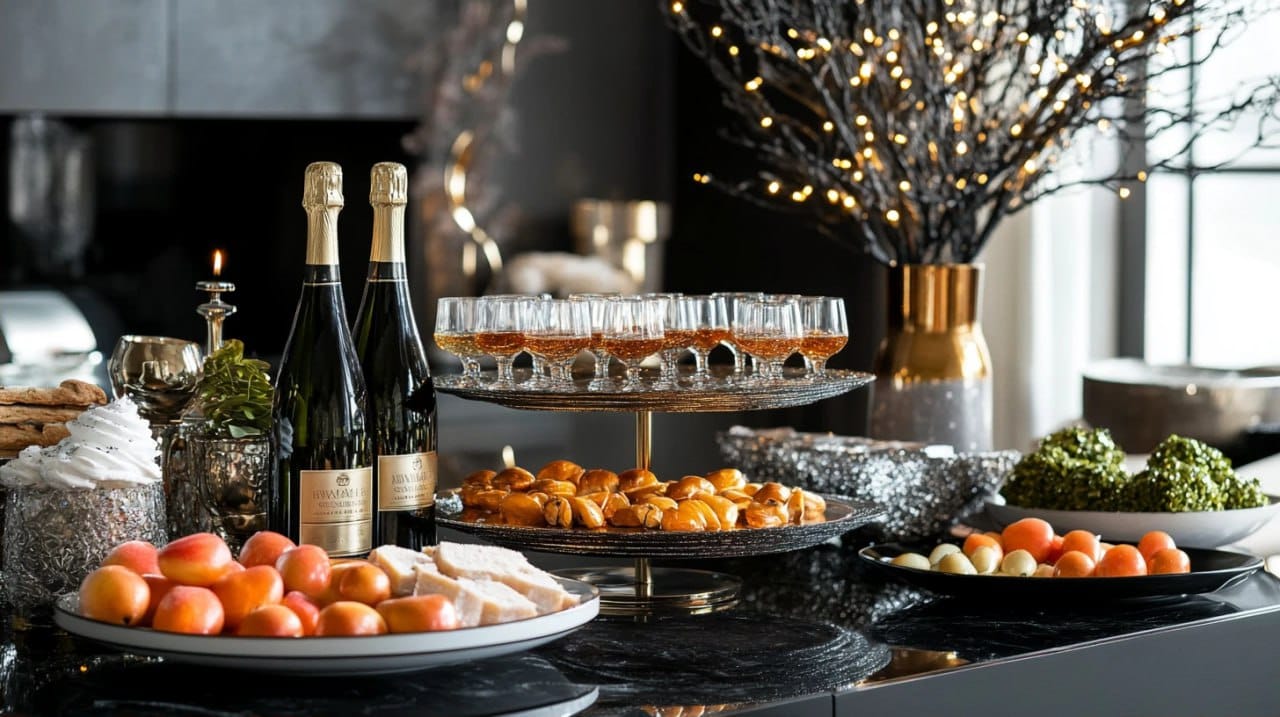
Another advantage is that a buffet is often more cost-effective than a traditional workplace banquet. Here’s how to organize it for a comfortable, atmospheric, and delicious celebration.
When a Buffet is a Great Choice
A buffet instantly sets a light and festive mood. Guests aren’t tied to tables and can roam freely, chat with colleagues, and sample a variety of snacks. This holiday office party format works especially well in the following scenarios:
- The party is held in the office or a small rented venue. A buffet requires less furniture and allows all employees to gather comfortably without overcrowding the space.
- There's a desire for more interaction. Guests can make new connections and chat with those they rarely see.
- You need space for activities. Without tables and chairs filling the room, it's easy to find space for dancing, contests, and photo zones.
- The team values freedom. Each guest can decide when to grab a snack and when to return to conversations or entertainment.
Organizing a Buffet
You can organize a buffet yourself or hire a catering company. The first option suits those who want to control every detail and are ready to invest the time and energy. With the second option, professionals handle most tasks, though it may cost more and limit menu flexibility.
Venue
The choice of venue greatly influences the holiday buffet's ambiance. There's a world of difference between quickly rearranging office tables and hosting in a restaurant or a modern loft. Consider the format, number of guests, and budget. Common options include:
- Office. Simple and budget-friendly. The familiar space can easily adapt with festive decorations and buffet tables. The downside is limited space and the challenge of separating work from the celebration.
- Restaurant or banquet hall. A classic choice: equipped kitchen, staff, and festive decor. Suitable for medium to large companies. The main drawbacks are higher costs and the need to book well in advance.
- Loft or coworking space. Modern venues with open areas and zoning possibilities. Perfect for parties with music, contests, and dancing. They blend buffet dining with entertainment effortlessly.
- Unique venues (i.e. a gallery). This option is for companies looking to impress and make the party special. Pros include a unique atmosphere and great photo opportunities, while cons may be high costs and strict food and drink regulations.
Zoning and Decoration
Smart zoning prevents chaos and makes the event comfortable for all guests. Even a small venue can be organized such that people can easily chat, grab food and drinks, relax, and participate in the program. Essential zones to consider include:
- Food stations. Organize two to four stations with duplicate key dishes to prevent lines and crowding. Distribute stations around the room or zone them by type of bites: cold snacks, hot dishes, desserts.
- Bar or non-alcoholic corner. Place it away from the food: this helps diffuse guest traffic. One table might focus on cocktails, another on non-alcoholic drinks and coffee.
- Conversation area. High bar tables create comfortable “islands” to place a plate or glass and chat in small groups. Equip some tables with bag hooks or shelving for dishes.
- Quiet zone. Lower sound levels and a few comfortable chairs or sofas provide a space for one-on-one conversations or a break from the noise.
- Stage. Needed for brief leadership speeches, awards, or short programs. Even a small dais adds formality and focuses guests' attention.
- Photo zone or branded stand. A spot for memorable photos, doubling as entertainment and part of the corporate image.
It’s best not to place food and drink tables against walls to avoid issues with replenishment and dish clearing.
A holiday buffet shines with a simple, well-planned atmosphere. Decorate in a unified style, using corporate colors or classics like gold, silver, green, and red. Tabletop Christmas arrangements, garlands, and lighting create festive cheer without high costs.

Menu
The main rule is convenient presentation for on-the-go dining. Serve snacks in portions, ideally bite-sized. Sauces better served in side bowls rather than directly on food, to avoid spills. After work, heartier dishes are appreciated. Consider small portions of salads, mini-burgers, or small plates of hot dishes, to keep guests energized throughout the evening.
To complete the festive spread, consider not just the food but also the drinks:
- Alcoholic. Choose classics—sparkling wine, dry wines, a couple of basic cocktails, beer. For stronger options, consider whisky, tequila, and rum.
- Non-alcoholic. Sparkling and still water, lemonades, juices, tea, and coffee.
- Winter specials. Mulled wine or fruit punch can enhance the holiday vibe. Set these up at a separate station.
Guest Guide for a Three-Hour Office Party
- cold snacks — 8–10 per person
- hot dishes — 3–4 each
- desserts — 2–3 each
- wine/sparkling wine — 2–3 glasses, alternative — 0.5 beer; company policy-dependent for strong alcohol, typically 1–2 shots
- water — at least 0.5 liters.
Service
If serving dishes isn’t complex, one server for every 20–25 guests is enough. A bartender is needed for simple cocktails, with an assistant handling ice, glassware, and supplies.
An alternative is self-service. If there aren’t servers, minimize guest questions with small cards at each station. They can list food or drink names or offer brief instructions like Place Used Dishes Here. These cards are tidy and eliminate the need to ask how to proceed.
Assign a few people to oversee — they don’t serve guests directly but ensure food stays replenished, tables remain clean, and ice and drinks are readily available. This subtle yet crucial support keeps the buffet from descending into chaos.

To bring the team closer and create a warmer atmosphere, suggest playing Secret Santa. It's an affordable way to exchange gifts and get to know each other better.
The MySanta service can help organize it. Its advantages include:
- Instant draw. Participate online or in person. There's no limit on the number of players.
- Wishlists. Create gift lists with links to specific items on platforms like Amazon.
- Anonymous chats. Communicate with your gift recipient discreetly to gather more information while keeping your identity secret.
- Exceptions. Mark participants who shouldn't be matched together.

Common Mistakes
A poorly thought-out entertainment program can significantly impact the party. Avoid having too many contests and activities, as they can overwhelm guests.
Limit the length of congratulatory speeches: ideally, each speaker talks for no more than a few minutes. Additionally, plan table placement for easy movement with at least 1.2 meters between them, accommodating possible activity needs. Here are five other mistakes that can spoil your event impression:
- Miscalculating the amount of food and drink. Too little, and guests order delivery or go hungry. Too much, and you’re left with excessive leftovers.
- Ignoring venue specifics. Even the most beautiful location fails if there's inadequate ventilation, lacking cloakrooms, or insufficient outlets.
- Lack of a cleanup plan. Even with self-service, dishes and napkins need quick clearing to keep tables from becoming cluttered, maintaining the festive atmosphere.
- Poor sound management. Non-stop loud music hinders conversation and can cause headaches.
- Neglecting small details. Phone chargers, non-carbonated water, spare napkins, convenient bag spots. These might seem minor, but they shape the overall experience.
Conclusion
A successful buffet combines a well-planned menu, comfortable space, and attention to detail. With thoughtful preparation, even on a tight budget, you can host a celebration that leaves delightful memories.