
Ideas and Scripts for a Memorable School Holiday Party
School years are vibrant, but iconic holidays like the first day, graduation, and dances are rare. Among these, holiday events are especially anticipated by students. It's crucial that these celebrations are memorable for their atmosphere and organization.
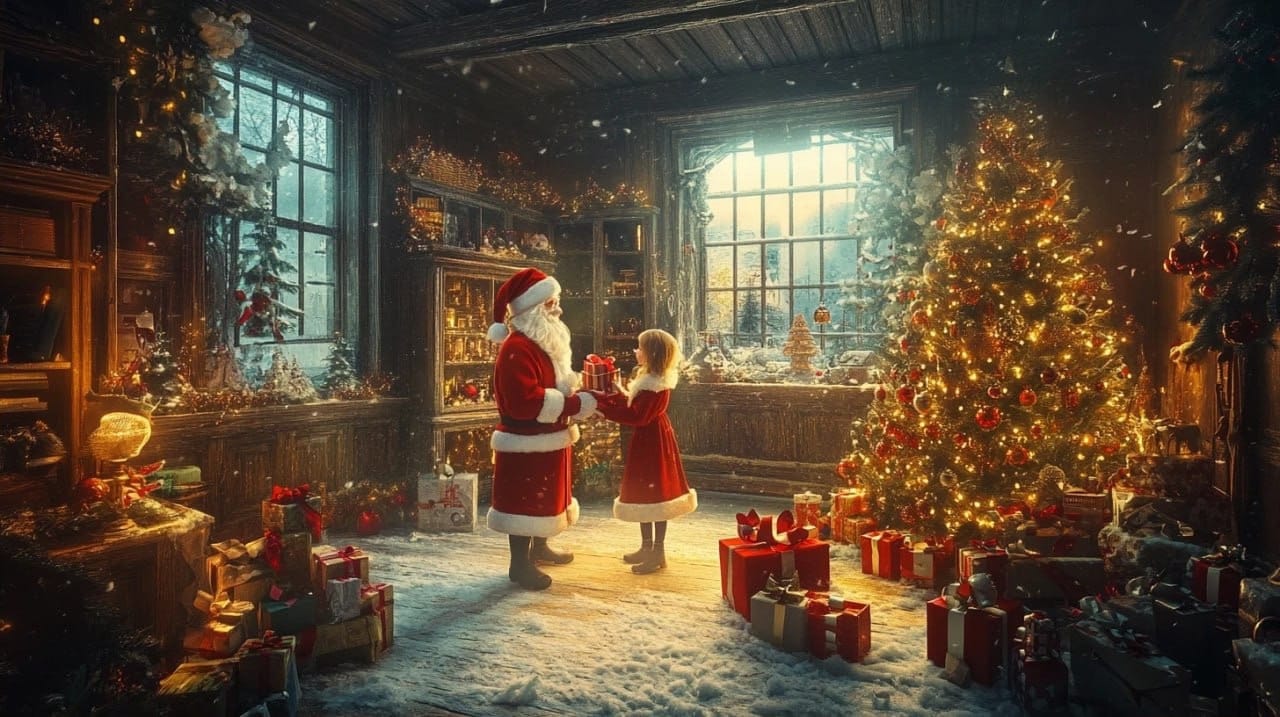
Let's explore how to make a holiday celebration even more special for students with some ideas from our article.
How to Plan a School Holiday Party
Here's how to organize a school event to celebrate the holidays, in a few simple steps.
Step 1: Set event goals. This might sound a bit too serious for a festive occasion, but having clear goals helps streamline any process. Set three goals, for example: we need to create a spectacular show with us managing the responsibility, so students don't need to perform intensely; we aim to break attendance records for the party; it's crucial to maintain a kind and positive atmosphere.
Step 2: Form an organizing committee. Start planning ahead. While a few people steer the organizational process, others handle entertainment, food, drinks, programming, and technical aspects under their guidance.
Step 3: Set a budget. Typical school holiday parties are funded by the school and the parent committee. For an impressive and phenomenal event, you'll need decorations, adornments, and quality equipment.
Tip
If your school community is tight-knit, consider inviting alumni to the school holiday party. They can purchase tickets to reserve seats at a minimal cost, with all proceeds going towards gifts for younger students. In return, you ensure their seats aren't taken by others.
Step 4: Choose the date and location. This is straightforward: the academic calendar is known in advance, and the desired auditorium or room is likely available on the big day. To assist in organizing the celebration, you can excuse students from certain classes in rotation — discuss this option with teachers beforehand and avoid using this plan during critical exam periods or at the end of decisive quarters.
What size space suits your needs?
For a school-wide party, the auditorium is undoubtedly the best choice. If your event is intimate, consider and calculate your resources — do you need multiple zones: dance floor, stage, relaxation area, snack area, etc.?
Step 5: Visualize the event program. Create a plan presentation to envision how your ideas will come to life. A school holiday party includes beautiful dresses and costumes, a play, songs, dances, and characters like Santa Claus. You'll see if the skit themes match the musical numbers, whether a casual dress code suits you, or if something specific is needed, and if the jokes prepared for the acts might leave parents and teachers puzzled.
Step 6: Prepare the program. Select or create a script for a traditional holiday skit, assign roles to students, choose music, and set up stage decorations. Conduct several dress rehearsals with students a few days prior to ensure everyone knows their parts. Run through the program from start to finish to spot any potential issues and have time to fix them.
Step 7: Gather costumes and props. Purchase or rent costumes for the characters and props at least a month in advance, allowing enough time to return unwanted items and order new ones.
Step 8: Plan the menu. School holiday events typically don't require elaborate feasts. Simple snacks, tea, juice or water, cake, and cookies should suffice.
How to Choose the Holiday Party Theme
Deciding on a theme is a key step in preparation. If choosing one right away is challenging, lean on the origin of your holiday play—a classic children's performance you and your students have diligently prepared.
For example, if you're staging a play based on a popular story, consider using inspiration from the book's illustrations for costumes and decorations.
Alternatively, if you opt for a modern quest or a free-form interpretation of folklore, you can let your creativity run wild with decorations and outfits, mixing and matching ideas from open sources like our blog.
Once the theme is set, it's easier to:
- clarify objectives;
- allocate the budget;
- decide on the format—such as a classic play, immersive theater, or puppet/light show;
- choose suitable decorations for the venue.
Themes for School Holiday Party Performances
Holiday performances for students often draw from traditional stories featuring well-known folklore characters, seasonal symbols, New Year's eve adventures, or tales and fairy tales. The plot can become more complex depending on the age of the audience and actors, but classic folklore is engaging for younger and older students alike.
The Gingerbread Man (English Folk Tale)
On Christmas Eve, a kind woman bakes a gingerbread man who suddenly comes to life and escapes from her kitchen.
He races past animals and people who try to catch him, proudly chanting, “Run, run, as fast as you can!”
In the end, a cunning fox lures him close and eats him — a funny but wise reminder about pride and trust.
Characters
The Gingerbread Man, Old Woman, Old Man, Cow, Horse, Pig, Fox
Staging Recommendations
Actors and Roles. You can stage The Gingerbread Man as either a puppet play or an interactive performance. Children can take part not only as actors but also as the choir — cheering on the Gingerbread Man during his escape or warning him when danger approaches. The main idea is to keep everyone engaged: some play the animals and people chasing the cookie, while others voice the chorus, narrate, or add sound effects. By doing so, every child gets a chance to participate and feel part of the adventure.
Decorations. The set can be simple but colorful. Create a kitchen backdrop where the Gingerbread Man first comes to life — a big piece of cardboard or fabric painted with an oven, a table, and windows trimmed with bright paper curtains. For outdoor scenes, prepare a second backdrop with rolling green hills or a village path. When the story shifts locations, simply swap out the background. Larger elements like the oven or a fence can be made from foam board or lightweight boxes. To add warmth and dimension, use string lights or garlands to imitate Christmas lights and the glow of the oven fire.
Costumes. Avoid buying full costumes — instead, let the children make simple accessories themselves. A brown T-shirt and pants can easily become the Gingerbread Man’s outfit with white felt or paper icing swirls glued on. The Old Woman and Old Man can wear aprons and scarves, while the animals — the Cow, Horse, and Fox — can use homemade paper masks or ear headbands. Encourage creativity: for instance, the Fox can have an orange cape, and the Cow might wear a bell made of cardboard and ribbon. These small touches make the production lively and memorable.
Music. Choose joyful, traditional tunes for chase scenes and quieter, playful melodies for dialogue. Each character can have a theme: bouncy percussion for the Gingerbread Man, steady rhythmic beats for the Horse, heavier brass or drums for the Cow, and a sly, light tune for the Fox. If you have access to a music teacher or older students, invite them to provide live background music — a tambourine, xylophone, or recorder will perfectly fit the tone of a cheerful folk tale.
The Little Match Girl (Based on Hans Christian Andersen)
This story is perfect for older elementary and middle school kids who are ready for something gentle and thoughtful.
On a cold Christmas Eve, a little girl walks through snowy streets, trying to sell matches. Every time she lights one, she imagines warmth — a cozy fire, a festive meal, a loving grandmother. Each new spark brings a brighter dream until she drifts into a peaceful sleep, surrounded by stars. It’s a simple but powerful story about hope and kindness.
Characters
The Little Match Girl, Narrator, Grandmother, Townspeople, Christmas Angel, Choir of Stars
Staging Recommendations
Actors and Roles. This story works great for a group project — it doesn’t need big sets or loud acting.
One or two narrators can tell the story while the girl silently acts out her part. Other students can play the townspeople rushing by, or a small choir that represents the stars, softly singing or holding little lights.
If you have more kids who want to join, they can help with sound effects or lighting. The focus should be on feelings — empathy, warmth, and wonder — not fancy costumes or props.
Decorations. Set up two simple areas on stage: the cold street and the girl’s magical “dream” scenes.
For the street, use blue and gray fabrics, fake snow, and a single lamp post (a cardboard tube with a flashlight inside works fine).
For the dream scenes, change the lighting to gold or orange tones to show warmth. Hang a few fairy lights or paper stars overhead when the sky “opens up.”
That contrast between cold and cozy is what makes the play moving.
Costumes. The Little Match Girl can wear layered neutral clothes — a scarf, mittens, maybe an oversized coat to look a little too big.
The townspeople can dress like they’re going to a Christmas market — coats, hats, and scarves.
The grandmother and angels can wear white or light pastel outfits.
For the “stars,” use simple silver or glittery capes or glow bracelets so they sparkle under dim light. No need for anything expensive — homemade works best.
Music. Music really helps tell this story. Start with a quiet instrumental carol like Silent Night or O Holy Night.
When the girl lights each match, let a soft piano or violin tune play for a few seconds — something that feels warm and hopeful.
At the end, when the stars appear, switch to something calm and bright — maybe a children’s choir humming softly or light chime sounds.
Let the stage fade to warm light instead of total darkness — it should feel peaceful, not sad.
E. T. A. Hoffmann's "The Nutcracker and the Mouse King"
This long holiday tale can be condensed for a school play script.
On Christmas Eve, a girl named Marie falls in love with a wooden toy gifted by her godfather, Drosselmeyer. Her brother Fritz damages the Nutcracker's jaw, but Marie tenderly cares for him as if he were real.
When midnight strikes, all the toys in the room come to life. Mouse King and his mice army emerge from every corner. The Nutcracker leads the toy soldiers to victory against the Mouse King with Marie's help.
Another night, the Nutcracker transforms into a handsome Prince and invites Marie to the magical Land of Sweets, where kind subjects welcome them. The tale is meant to last forever, but Marie awakens at home.
Soon, her Uncle Drosselmeyer introduces his nephew, who turns out to be the real Prince. He asks Marie to marry him, and soon they journey to the enchanted land forever.
Characters
Marie, the Nutcracker, the Mouse King, the mouse army, Drosselmeyer, Fritz, Soldiers, Toy Dolls, Angels, Sugar Plum Fairy, Narrator
Staging Recommendations
Actors and Roles. This play works for both younger and older students because everyone can take part — there’s room for acting, dancing, and even silent pantomime.
You can split the Nutcracker role between two kids: one plays him as the wooden toy, and the other as the Prince after the spell is broken. The Mouse King can be one student or a group wearing mouse masks for the army.
Kids who prefer smaller parts can be toys under the Christmas tree, angels, or background dancers in the Kingdom of Sweets.
If you have a music teacher or choir, invite them to join — the story fits beautifully with live singing or simple instrumentals.
Decorations. You’ll need two main settings: a cozy living room on Christmas Eve and the magical Kingdom of Sweets.
For the living room, decorate a real or artificial tree with ornaments and lights. Place wrapped boxes, a big clock on the wall (cardboard works great), and a small table for gifts.
When the clock strikes midnight, dim the lights and turn on soft blue or purple spotlights to signal the magic beginning.
For the second part, replace the backdrop with something bright and candy-colored: think pinks, golds, and sparkles. Add oversized paper lollipops, snowflakes, and tulle drapes. Kids can help make decorations during art class — it’s part of the fun and makes the stage feel special.
Costumes. Costumes can be simple but colorful. Marie wears a festive nightgown or a light party dress with ribbons. The Nutcracker can wear a red or blue jacket with gold trim and a toy soldier’s hat made from cardboard.
The Mouse King might wear a gray cape, ears on a headband, and a gold paper crown.
For the Prince, switch the jacket for something royal — a sash or glittery cape is enough.
The Sugar Plum Fairy and dancers can wear pastel tutus, and the toys can use bright, mismatched colors.
You don’t need to rent costumes — a few creative accessories and matching tones will do the trick.
Music. Music is the heart of this performance.
If possible, use pieces from Tchaikovsky’s Nutcracker Suite — kids love recognizing the famous tunes like Dance of the Sugar Plum Fairy or Waltz of the Flowers.
Play softer background versions during dialogue scenes, and bring up the volume for the big moments — the battle or the dance celebration.
If you can’t use full orchestral tracks, find simple instrumental versions online. Even short snippets add magic.
You can also let kids create their own rhythm sections with tambourines or bells during transitions — it keeps them involved and adds charm to the show.