How to Use Games to Build Cross-Department Relationships
Misunderstandings, silos, and conflicting priorities can slow down communication and undermine productivity. This guide offers simple and fun teamwork activities to improve teamwork and build bridges between departments.

The Christmas holidays are a great time to strengthen ties between departments. Fun team-building activities encourage teams to communicate, solve problems, and engage in conversations, which translates to better cooperation and teamwork in the next year. Keep reading for inspiration and ideas to strengthen ties and boost collaboration.
How can team-building boost cross-departmental collaboration?
Poor communication and teamwork can cause misalignment between teams and undermine overall productivity. According to studies, 64% of employees waste 3 hours a week due to inefficient collaboration.
Here’s how investing in team building between departments can benefit your organization:
- Boost productivity. A Deloitte study revealed that 73% of employees who work collaboratively with others report improved performance.
- Improve collaboration and teamwork. Team-building events foster communication and collaboration even between departments that don’t interact often. As a result, effective team-building can increase engagement by 30%.
- Ease communication. As diverse teams interact, people learn about each other’s strengths, work styles, and personalities, which eases cross-departmental collaboration on work tasks.
- Increased morale. A team-building event can lift morale at the end of the year when employees feel exhausted. With improved team spirit and engagement, people are 67% less likely to resign next year.

12 Team-Building Activities for Cross-Department Collaboration
Office team-building activities
Human Knot
The Human Knot is a classic collaboration activity for team-building. People from different departments stand in a circle and grab the hands of two different people in front of them. The goal is to untangle without letting go of hands.
The game prioritizes communication, collaboration, and problem-solving skills. It’s a low-pressure activity that encourages players to coordinate with people they hardly talked to before and have a good laugh.
Secret Santa gift exchange
Secret Santa is a classic Christmas activity in the office. Yet, you can set up a gift exchange between teams all year round – for example, on Christmas in July, Halloween, or any other holiday. Playing a company-wide Secret Santa strengthens ties between employees, as they learn more about the interests and preferences of their giftee, and a good gift can improve relationships.
The most convenient way to play is to use an online Secret Santa generator, such as the MySanta app. Here’s why it is perfectly tailored for corporate gift exchanges:
- Invite unlimited players (even 100+ participants are easy to manage)
- Set exceptions so certain people don’t give to each other
- Redraw if someone joins late
- The game organizer can track gift progress, ensuring that everyone receives a present.
The game has wishlists, so participants can add their desired gifts from online stores and get exactly what they want from Secret Santa, which sparks positive emotions.
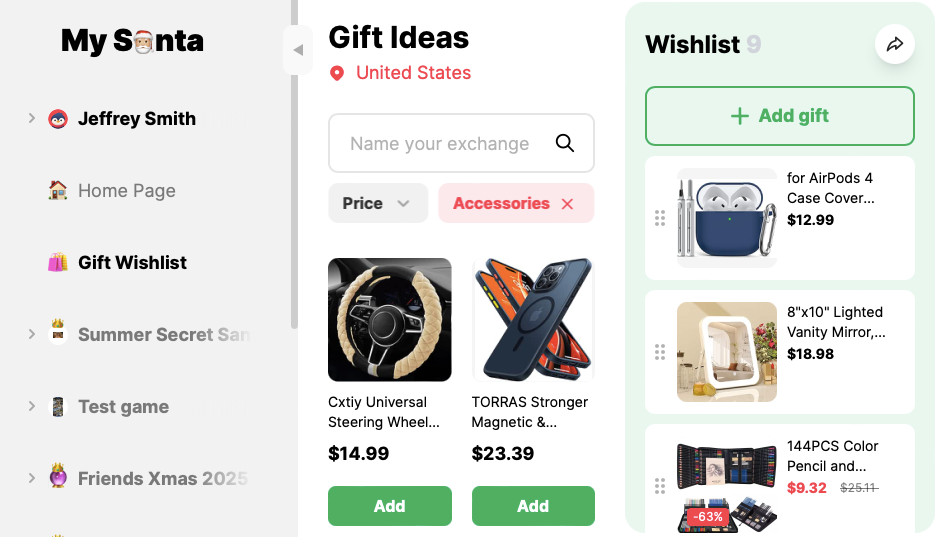
With the MySanta app, you can also organize a gift exchange for remote employees. Participants can send gifts by mail and share their emotions via Zoom, which helps strengthen ties even at a distance.

Department Shadowing Day
This one is not actually a game but rather a helpful activity to bridge ties between departments. Each employee shadows an experienced colleague from a different department. They get to observe their daily routine, tasks, and challenges.
Shadowing builds empathy and helps people understand what exactly other departments are doing and how it contributes to the big picture. As a result, they can collaborate more effectively between departments.
Volunteering
Giving teams a meaningful purpose is one of the best ways to bring them closer. People can form informal bonds, which will improve workplace dynamics and minimize conflicts.
Set up a community service or volunteer day, picking the activity that aligns with the company values or the interests of employees. You can make it a quarterly activity.
Here are some ideas you might want to try:
- Soup kitchen service – people work together to prepare and serve meals to the homeless.
- Toy or book Drive – collect, sort, and organize donations for children’s charities.
- Shelter renovation – collaborate on painting, repairing, or decorating a homeless shelter or animal rescue center.
- Helping seniors – visit seniors, play games, read, and assist with daily activities.
Office Olympic Games
Office Olympics is a popular low-cost team-building activity. It sparks friendly competition and builds camaraderie through low-stakes, engaging competitions you can set up in minutes. Use materials you have in the office, and don’t forget to reward winners with medals!
Ideas for Office Olympics Contest
- Paper planes. Players divide into teams to design and construct paper airplanes. In the first round, teams compete for the longest flight distance down a corridor. In the second, they try to land accurately into a target.
- Typing speed challenge. Participants compete in typing speed and accuracy while sitting next to each other.
- Office chair relay. Teams race around the office in chairs, avoiding obstacles like cones or staplers. To make it more challenging, add an egg or a spoon for the driver’s balance.
- Desk tower challenge. Teams use office supplies (such as paper, tape, paper clips, and pens) and build the tallest tower within the time limit.
Skill Swap Workshop
This activity facilitates knowledge exchange in your organization and fosters connections between departments. Here’s how it works. A few selected people from each department teach everyone a valuable skill. It can be anything from making beautiful presentations, writing emails with AI, and working with spreadsheets to creative hobbies like crocheting, oil painting, or cooking.
By exchanging skills, employees can gain a deeper appreciation of their coworkers’ talents, communicate better between departments, and bridge professional skill gaps.
Circle of Appreciation
Appreciation and acknowledgement of everyone’s contributions improve morale and build trust. Moreover, public appreciation boosts engagement, which can lead to better productivity and retention.
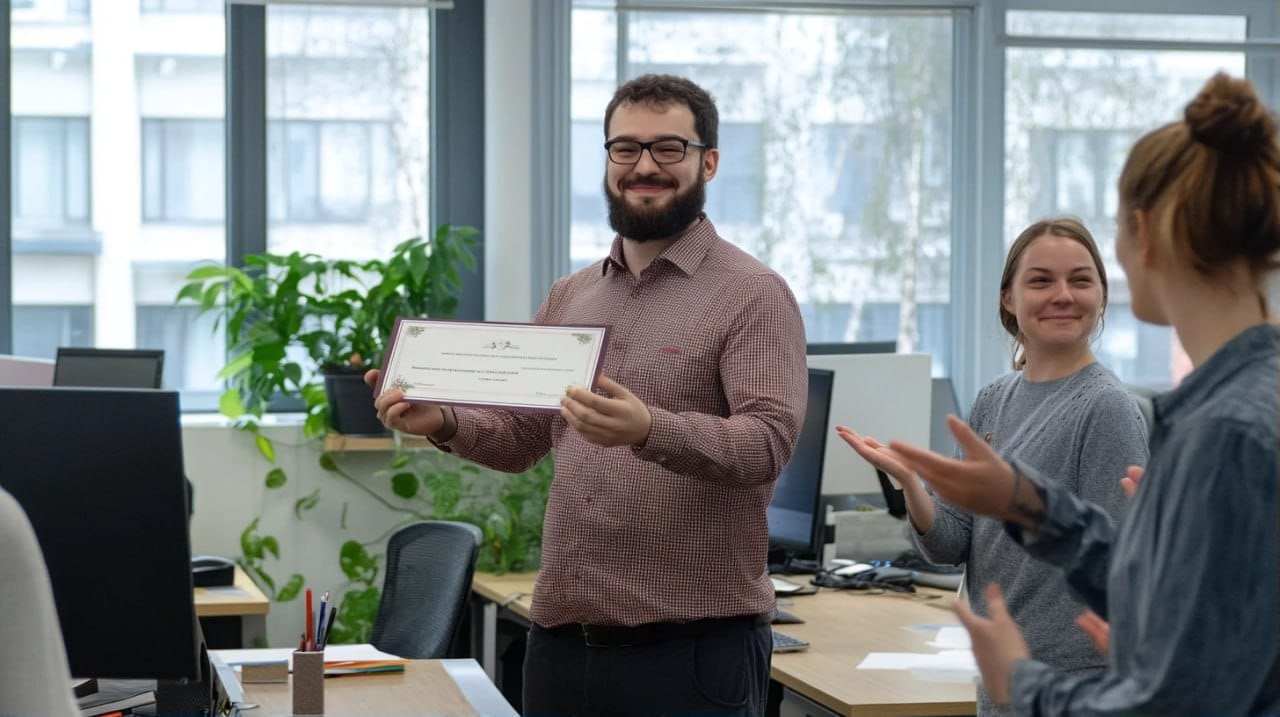
Participants sit in a circle, and one person is chosen to be the focus of attention. Coworkers then share one thing they appreciate about this person. It can be a small achievement, a personality trait, or attitude. Then, move on to the next person in the circle.
Here are example statements to show appreciation:
- I really admire how Nina handled that conflict and saved the company’s biggest client.
- Your positive attitude in the breakroom makes my mornings brighter.
- Thank you for taking the time to explain how to make pitch decks using AI.
- I appreciate how supportive you are, Oliver, even when our team's needs clash with your timelines.
Team-building ideas for remote teams
Two Truths and a Lie
Two Truths and a Lie is a classic icebreaker that works perfectly for cross-departmental team-building. It is easy to set up both in person and remotely. Players sit in a circle or join via Zoom. Each team member shares three facts about themselves, two of which are true and one false. The rest of the group debates which statement is fake.
This game encourages active listening, lighthearted discussion, and can spark conversation between employees who have something in common.

Online Murder Mystery
A digital Murder Mystery is perfect for inspiring people from different department work together while solving the mystery. It requires extensive analysis, strategic communication and teamwork to find the solution, and these skills can be naturally translated to workplace tasks.
Here are some popular online murder mystery games for remote teams:
- Roller Disco Disaster – Return to the 70s to solve a shooting at the "Death by Disco" roller rink.
- The Detective Club Murder – A free game for a team of up to 8 players. Work as members of an elite crime-writing club to find out who stabbed an author at their anniversary meeting.
- Black Noir Murder Escape – Solve a public figure’s murder working collaboratively as one private investigator.
Guess the Background
Guess the Background is a low-prep activity that can spark non-work-related conversations in remote teams. Have team members prepare virtual backgrounds, and their coworkers will guess what’s in the picture. Backgrounds can vary from popular cities and sights across the globe to pets, favorite places at home, workspaces, and more. For a small team, have a few rounds of the game.
This simple game works as a great conversation starter and helps reveal the personalities of your coworkers and strengthen team bonds.
Digital Scavenger Hunt
For a competitive twist, set up a virtual Scavenger Hunt. Create a list of items or clues that participants must find or complete. Include tasks such as interacting with company platforms, finding internal information, or messaging colleagues in other departments to get the next clue. Teams are mixed across departments and communicate via a dedicated chat, rushing to complete the list within a set time limit.
The goal is to encourage rapid, collaborative problem-solving and promote interaction between departments. The team that finds all the clues first gets a small prize.
Remote Work Bingo
Bingo is one of the fun team-building activities you can do online. Create a custom Bingo card with statements related to remote work, i.e., Worded remotely for 2+ years, Has 2 cats, Forgets to turn off the microphone. Have everyone tick off squares related to their coworkers. Thus, people can learn more about coworkers from different departments in a low-pressure manner.
If you prefer traditional Bingo cards, here are some cards you can use:
- Virtual bingo card for the team
- Fun introvert Christmas Bingo
- Christmas bingo generator to create a custom Bingo card
Company-wide games and activities can strengthen ties between departments, reduce silos, and promote collaboration, which leads to better productivity. Introducing these light-hearted activities in your next team-building events will foster interaction between teams and help people connect on a human level.
FAQs
What games are most effective for building professional cross-department relationships?
The most effective games for building cross-department relationships emphasize collaboration and problem-solving. Think escape rooms, building challenges (like building a structure with limited materials), or strategic simulations where different teams hold pieces of information needed by the others. These games naturally break down silos and create shared wins, fostering interdepartmental communication.
How can we ensure participation and prevent employees from viewing this as unproductive "fluff"?
Start by explaining that these games aren't just for fun but are designed to make everyone's job easier by improving communication. Ensure that the games chosen are relevant, well-organized, and respect employees' time (i.e., don't schedule a two-hour mandatory game at 5:30 PM). Make participation voluntary where possible, focusing on keeping the activities engaging and fun.
How long should a game session be for maximum benefit?
Keep the sessions short, ideally 60 to 90 minutes so that people can fit them into their busy schedules. Organizing team-building events every three months is usually enough to keep relationships fresh without constantly interrupting work.