
How to Organize a Holiday Workshop: Formats, Ideas, and Tips
A holiday workshop unites people, inspires, and fosters a festive spirit before midnight. To make it effective, choose a great theme and plan well: present the idea clearly, consider participants' ages, and ensure a cozy atmosphere.

In this article, we share a selection of formats that have proven effective during the holiday season. We've compiled everything into a simple checklist to help you organize an event with minimal stress.
Why Workshops Are More Than an Activity
Whether you're organizing a celebration for your team, family, school, or friends, you want to not just entertain, but to provide a sense of genuine involvement.
A workshop acts as the perfect tool:
- Engages participants — gives each person a specific task and a reason to join in the shared activity;
- Bridges generations — kids, adults, and seniors can do the same thing, alongside each other, as equals;
- Structures the event — establishes a clear rhythm from start to finish with tangible results and no awkward pauses;
- Helps forge connections in a new group — eliminates awkwardness as participants interact through the process rather than anticipating socializing.
People aren't just 'doing something with their hands' — they laugh, communicate, create, and this forms a shared story. Such a story works wonderfully during the winter holidays when everyone craves warmth and a sprinkle of magic.
Top 6 Holiday Workshop Ideas for Adults and Children
Each format can be adapted for adults or kids — it's about setting the right pace, atmosphere, and a finale that's either delicious or to-go worthy.
DIY Gifts
This is suitable for various audiences: from children's groups to adult parties and office gatherings. Every participant leaves not just with an item but a personal gift — for a loved one, a colleague, or a Secret Santa recipient. This works especially well in an intimate setting: with music, aromas, and the ability to beautifully wrap the finished work.
Format.This versatile scenario works well both offline (in a classroom, studio, or corporate setting) and online with materials shipping.
Space and Rhythm:
- Any space with good lighting and working surfaces is suitable.
- On tables — individual kits, napkins, pouches, or boxes for packaging.
- Adding music, candles, or tea enhances the 'crafted with love' effect.
Materials
- Prepare the base: jars, bottles, fabric pieces, ornament blanks.
- Offer a choice of decorations: ribbons, beads, dried flowers, spices, paper.
- Provide packaging and tags so the gift looks complete.
- For perfumes or sachets — separate spoons, pipettes, and testers.
Gift Examples
Aromatic sachets with herbs and spices.Small fabric pouches filled with lavender, cloves, cinnamon, citrus. They can be decorated with embroidery, ribbons, or 'for you' tags.
Oil perfumes in rollers.Participants choose a base (almond, jojoba) and scents (essential oils), creating compositions and crafting labels. Especially appealing to adults.
Bath bombs or bath salts.A simple recipe including baking soda, citric acid, and oils. Colors, petals, or essences can be added. Packaged in a jar or kraft box.
Keychains, pins, jewelry from resin.Shape, glitter, dried flowers — and a souvenir is ready. Especially good for teen and women’s groups.
Mini-cards and handmade envelopes.Working with paper, stamps, seals, embossing. Suitable for fans of paper crafting and the aesthetics of slow gifting.
Slow gifting is a mindful approach to gifts. Unlike the consumer model of 'giving for the sake of giving,' slow gifting encourages choosing meaningful, long-lasting items—often handmade or purchased from local artisans. This type of gift reflects a deeper connection with the recipient and a considerate attitude towards the world.
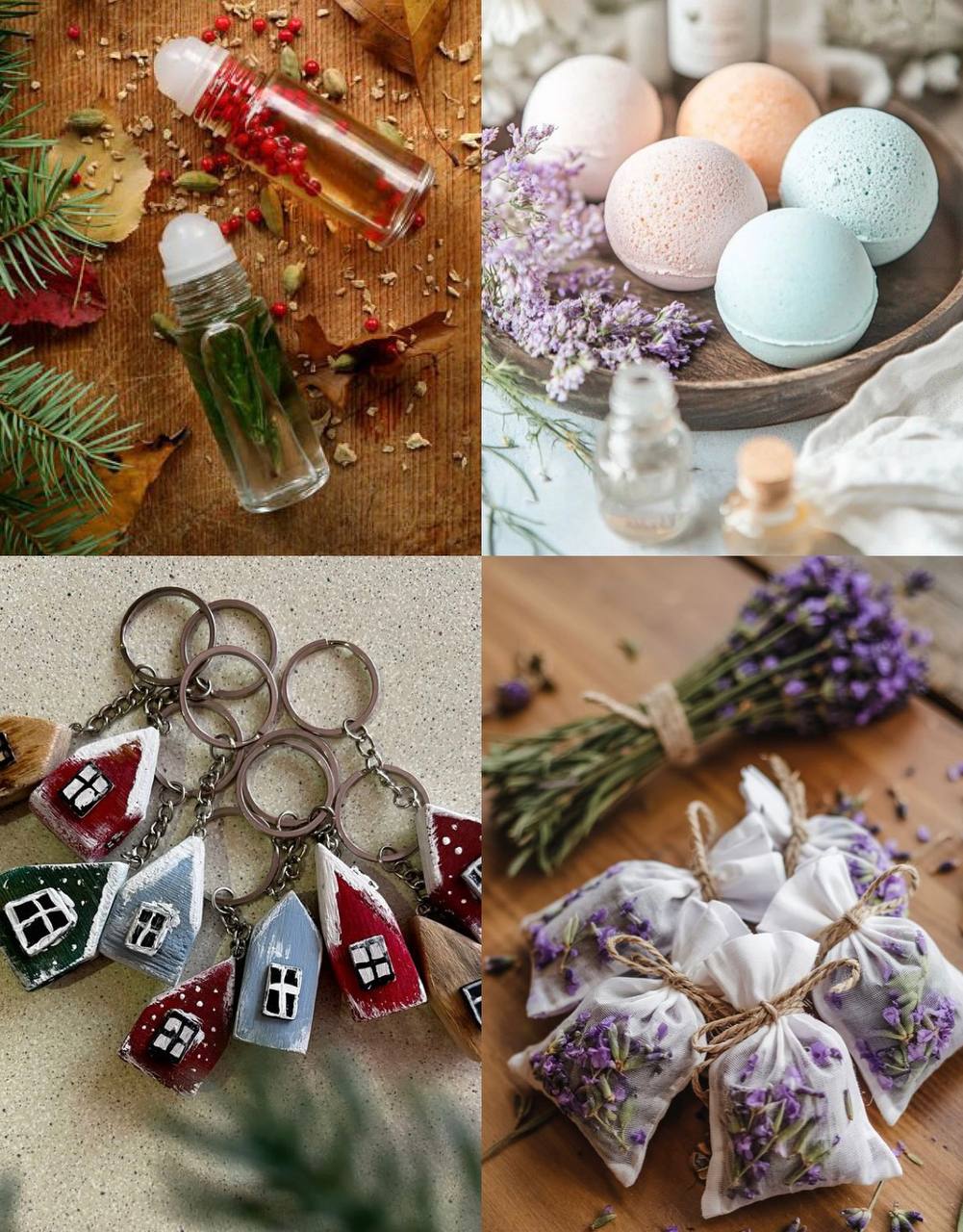
Gifts from DIY workshops pair perfectly with the Secret Santa format, where participants make something not just for fun but for a specific recipient. This adds warmth and intrigue: making an effort, investing something personal into the creation, knowing someone will unwrap it with anticipation and a smile.
If you plan to combine the creative process with the game, consider using the online service “mysanta.co.”
It helps organize everything without unnecessary hassle:
Automatic draw — participants are matched without confusion, regardless of the number of players.
Anonymity — no one knows who is giving the gift, but communication is possible through an anonymous chat.
Wishes and wish lists — each participant can indicate what they'd like to receive and what shouldn't be given.
This approach is especially great for school classes, office teams, and online communities: you create, exchange, and everything is organized easily and transparently.

DIY Holiday Decor
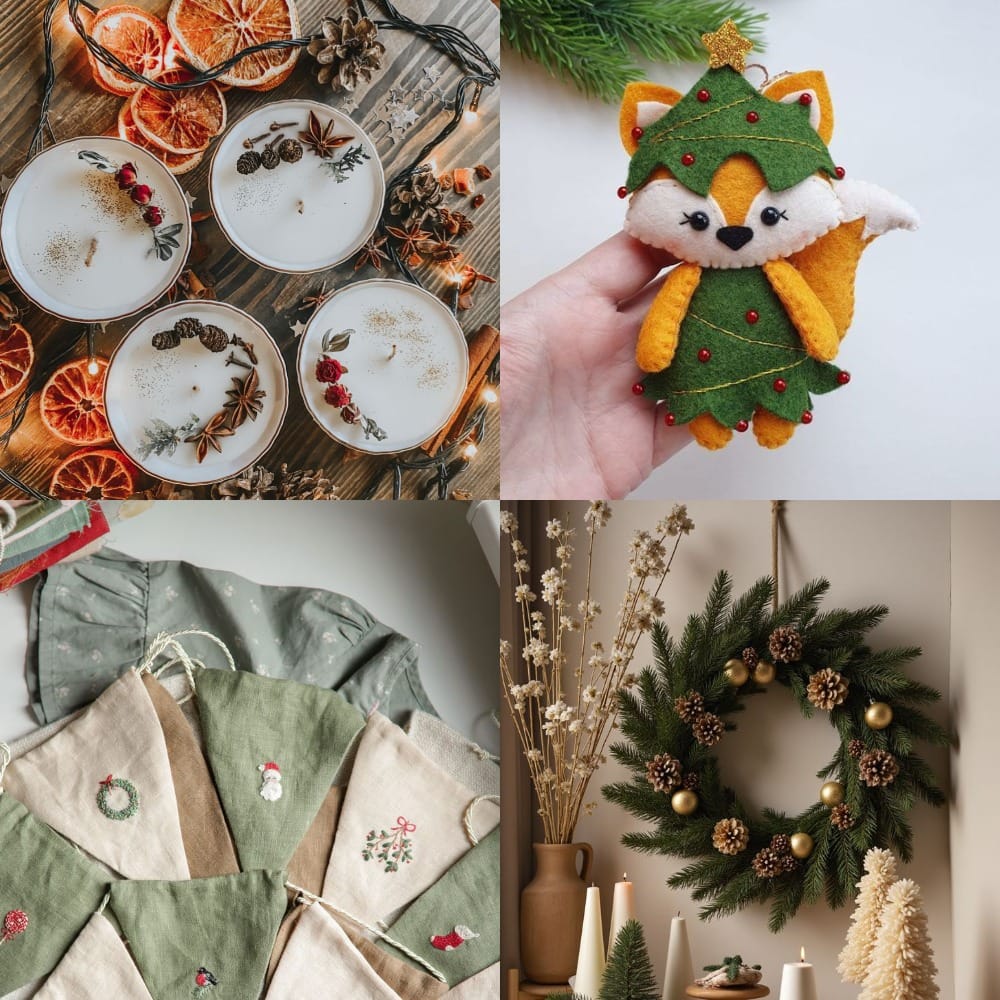
A practical and versatile format: participants create decorations that can be immediately used to adorn homes, classrooms, offices, or gifts. This is not just a creative process but a way to feel the holiday approaching through tactile, visual, and aromatic details: the scent of pine, the warmth of candles, the sparkle of tinsel.
Such a workshop is easy to organize: all materials are readily available, and participants leave with a finished decoration for their home, gift, or office.
Location. It can be held anywhere — in a studio, school, office, home, or online. The main requirements are convenient work surfaces, good lighting, and access to glue, scissors, and napkins.
| Participants | Materials | Possible Crafts |
|---|---|---|
| Children | Paper, felt, foil, glitter, safe glue, rounded scissors | Garlands, tree ornaments, paper snowflakes, flags |
| Adults | Pine branches, dried flowers, candles, glass jars, textiles, ribbons, hot glue gun | Tree ornaments, decorated candles, door wreaths, hangings, minimalist installations |
Edible Workshops
A format that delights everyone — those who love crafting and those who love treats. The process is simple and engaging, and the finale is delicious, aromatic, and so beautifully presented you'd want to photograph it. Suitable for cozy home gatherings, corporate events, and get-togethers with friends.
Location.It's simpler to organize such workshops in culinary studios, cafes with separate areas, or rented spaces with kitchen facilities.
Organization.It's important to plan zoning and logistics in advance:
- Separate tables/surfaces for each participant;
- Clean water, outlets, plates, napkins;
- Children's workshops — with the assistance of an adult or helper.
Materials
- Prepared bases (gingerbread, cupcakes, set shapes, etc.).
- Decor sets (icing, sprinkles, piping bags, brushes).
- Gloves, disposable aprons, or cloth, moist wipes.
- Individual packaging: boxes, clear bags, ribbons.
Examples of Edible Workshops
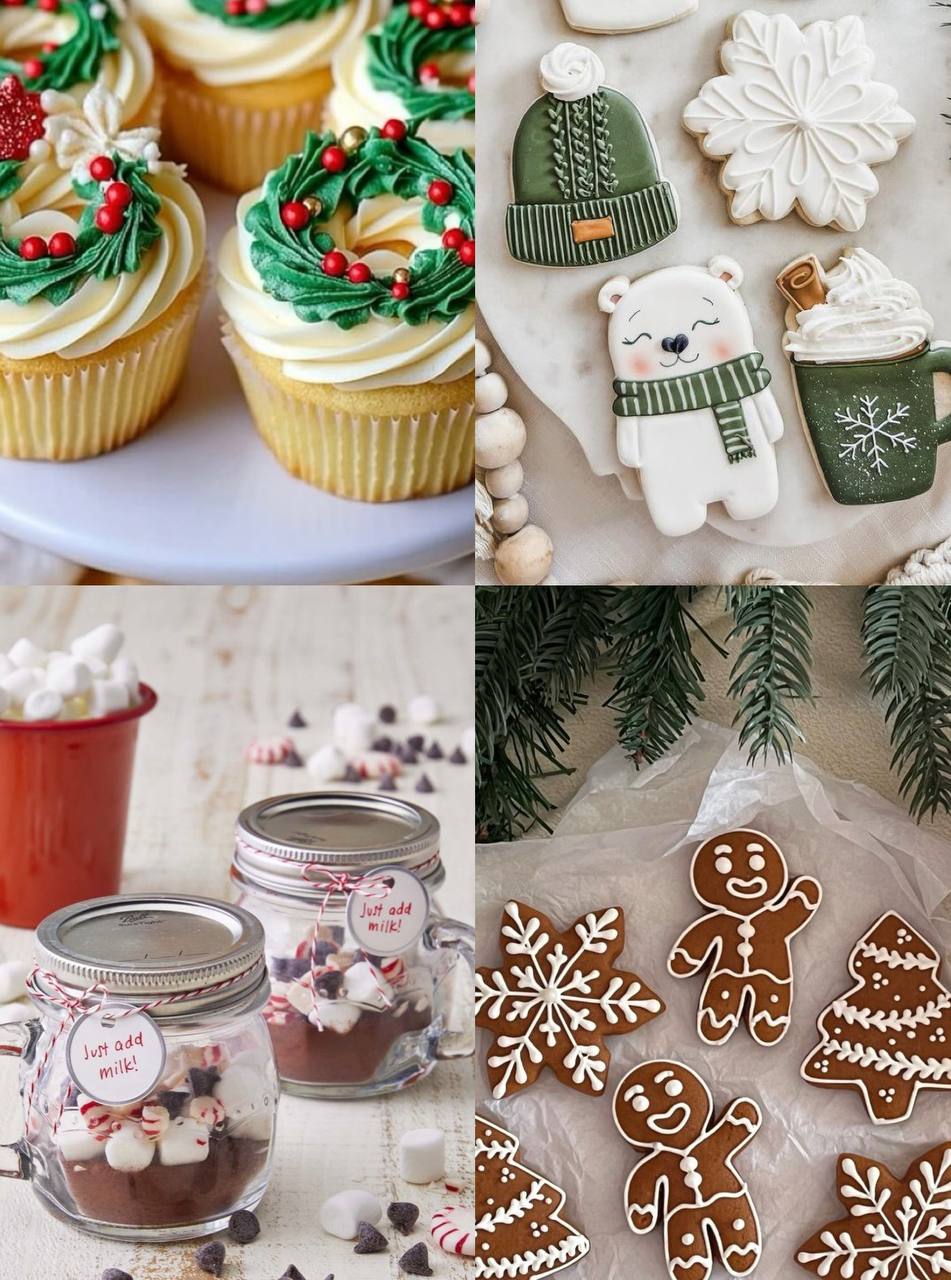
Gingerbread decorating with icing.A classic favorite. Use star, tree, and snowman-shapes with food markers, colorful icing, and sprinkles. Suitable for all ages.
Cupcake or mini cake decorating.Participants work with frosting, sprinkles, and fondant figures. Popular in teen and adult groups. Packaged in kraft boxes.
Assembling a cocoa gift set.Layer in a jar: cocoa powder, sugar, chocolate chips, marshmallows, cinnamon. Supplemented with a recipe tag and ribbon — makes an excellent gift.
Decorating edible balls and figures.Meringue, cookie, or chocolate shapes are decorated with edible dyes. A calming, meditative workshop variant.
Creative and Art Workshops
A format for those who want to slow down, step away from the hustle, and simply be in the moment.
There are many such workshops today, and everyone can choose what suits them best — from pottery to calligraphy. It's a great opportunity to express oneself, create something beautiful with one's own hands and unwind. Perfect for winter evenings with friends, colleagues, or in the format of art gatherings.
Location and organization.Such a workshop can be easily turned into an atmospheric art party — with soft candlelight, a glass of wine, calm music, and a relaxed pace. It's important that the setting encourages silence and inner focus without any rush or pressure.
Materials
- Drawing: paper, paints, brushes, napkins.
- Sculpting: clay, boards, water, moist wipes.
- Collages and rugs: canvas, fabric, threads, glue.
Workshop Examples
Painting a holiday card or winter landscape.A simple format suitable even for non-artists.
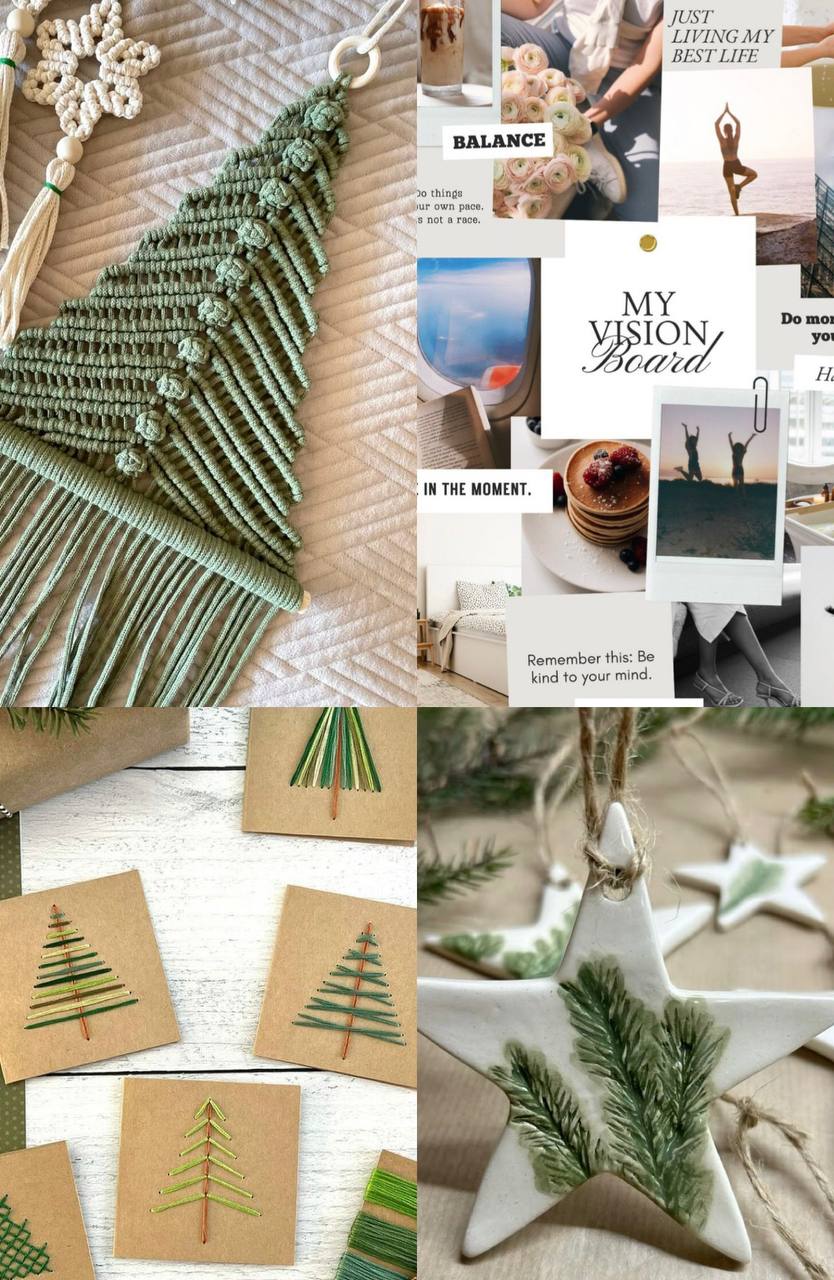
Sculpting clay figures.Mini candle holders, figurines of the year’s symbol, houses, or hangings — results can be painted or lacquered.
Collage of dreams and symbols of the year.Create a visual map from images, words, cutouts, and fabric — especially good at the start of a new year or as part of a transition ritual.
Mini-rugs / boho-style panels.A trending activity: participants weave or design a decorative panel — resulting in a stylish and 'tactile warmth.'
Foil engraving.An unusual technique, allowing anyone to feel like an artist — especially fascinating for teenagers and beginners.
Checklist for Workshop Organizers
Here's what to consider for a successful and enjoyable workshop for all participants.
1. Define the format and objective of the workshop
Is a tangible result important, or is the focus on the process, creating the ambiance, and spending time together?
Clarify the scale: will it be an intimate gathering, a children's event, or a large corporate affair?
2. Determine the age and composition of participants
Children:30–45 minutes. Simple, fast formats with bright and understandable results without complicated tools are best.
Teens and adults: 60–90 minutes. You can choose more complex techniques, a relaxed pace, and minimal assistance.
Mixed group:45–60 minutes. It's better to divide participants into age zones or offer universal materials with varying detail levels.
3. Prepare and arrange materials in advance
Individual kits or a communal table depends on the format. Always add spares: glue, ribbons, napkins, gloves. Don't forget packaging: bags, boxes, ribbons, tags.
4. Create atmosphere
Music, soft lighting, tea or candles — simple touches create the mood from the first moments. Start by showing a finished piece or an inspiring selection — this helps participants engage. Add a warm, informal greeting or a short story related to the workshop theme — making the space truly alive.
5. Plan timing and rhythm
Divide the workshop into stages: the first 5–10 minutes — a brief explanation and demonstration, then 30–60 minutes — the main creative work, and finally 10–20 minutes — packaging, photos, sharing results, or a joint tea party. A clear rhythm helps participants feel confident and relaxed.
6. Add the final touch.
Final details complete the experience. A treat, exchanging works, a mini-exhibition, or a group photo — all these create a sense of conclusion. A signature on a card, a tag with a wish, or a ribbon on packaging transforms the result into a true gift.
Conclusion
Sometimes you just crave magic, coziness, and the spirit of celebration — and workshops are perfect for this. They offer a way to gift people a moment of peace, fun, and inspiration. When well-organized, a workshop becomes a real story: with a beginning that's a bit shy, a process where joy and excitement emerge, and an ending where something made by hand becomes tangible, filling the air with holiday cheer.
Whether you're working with kids, gathering friends, or planning an event for a large team, the key is having an idea, a bit of preparation, and the desire to create an atmosphere. And with that, everything comes together beautifully.