
Creating a Festive Atmosphere in Stores: How Christmas Decor Boost Retail Sales
Twinkling lights, multicolored garlands and bright window displays are great, but you can go beyond that. Learn how to create a festive Christmas atmosphere that sparks customer emotions and drives sales.

In this article, we'll explore how to evoke emotions that drive sales in the stores of any size—from cozy boutiques to car dealerships.
Why A Decor Alone Is Not Enough
The holiday season is when people are more likely to make emotional, spontaneous purchases. Customers visit shopping areas not only for products but for the feeling of festivity and abundance.
However, today's shoppers often overlook ordinary window decorations with garlands and plastic snowflakes. Plain decorations can seem like noise and may even deter purchases.
Simply hanging a tinsel without considering atmosphere, service, and special offers may push customers away. Therefore, a holistic approach is essential.
6 Essential Elements of a Festive Atmosphere
Creating the right festive atmosphere is a system where key components work harmoniously together.
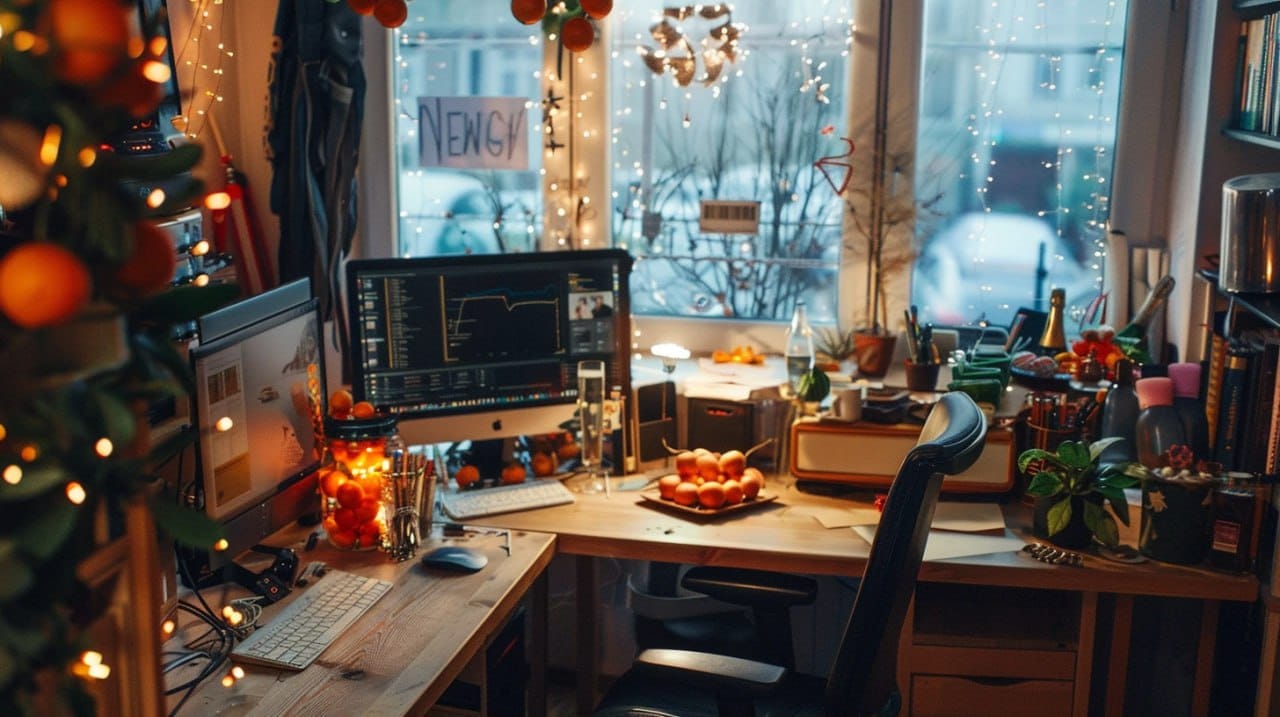
- Visual Design. Windows, sales floors, and entrances should immediately convey a sense of festivity. Balance is crucial: avoid overdoing it to prevent a chaotic look, while also not skimping on decorations in essential areas. Choose a consistent style: minimalism, natural and eco-friendly elements, classic festive style, or trendy colors. Focus on entrance appeal and window display—an impressive and beautifully arranged entry will draw attention. Another excellent idea is photo spots. Customers taking great photos in your store can freely promote your brand on social media. This creates free advertising targeted at the audience you want to reach. It attracts active social media users and families with kids, teens, and young adults—those who love sharing experiences and are more likely to make a purchase.
- Music in the Background. Music is a powerful tool that can either attract or repel people. Select music based on your audience’s taste. For instance, in a trendy clothing store for youth, modern and rhythmic pop or rap hits work well. In a premium store, unobtrusive jazz, Christmas classics, or sophisticated compositions are better. Volume plays an equally important role: music should provide a pleasant background that uplifts without hindering conversations with friends or consultations with sales associates.
- Scents. Aromas can directly influence a person's mood, forming associations, and even prolonging their store visit. The right fragrance creates coziness and is linked with the holiday spirit. In winter, warm notes of pine, cinnamon, chocolate, or gingerbread are especially effective. To set the ambiance, use both special fragrances and natural sources—like setting up a small coffee station or a hot chocolate corner in the sales area.
- Emotional Engagement of Staff. Even the most beautiful interior and ideal display won’t save the situation if the staff seems tired, indifferent, or rude. Prepare employees for the holiday period: host training sessions to show them how to genuinely greet customers and subtly offer assistance. It's essential that staff can express individuality: for example, wearing small festive accessories—bright scarves, brooches, and decorations. This adds warmth and makes interactions cozier. And, of course, encouraging smiles and a positive attitude is important. People sense genuine emotions, and such interactions leave a lasting memory.
- Financial Incentives. For buyers, the holiday is both a mood and an opportunity to gain value. However, simple discounts quickly lose their impact; amidst the holiday rush, they aren’t seen as anything special. Instead of standard promotions, offer additional perks: for example, free gift wrapping, a small gift with purchase, or the chance to accumulate rewards on a customer card. Special limited offers—ready gift sets or themed product bundles—work excellently. Such options ease gift selection and help customers decide quickly.
- Unexpected Extras. People remember not just the products but the emotions they feel when shopping. Small gifts amplify these emotions and make visiting the store special. These can include treats—candies, hot chocolate, or mandarin oranges served right in the sales area. Free festive gift wrapping is also appreciated, especially if done beautifully with attention to detail. For customers with kids, handing out small gifts like balloons, stickers, or tiny toys is a fantastic idea.
Festive Atmosphere for Different Types of Retail Spaces
Different business formats require an individual approach. The following examples consider customer characteristics and the goals of specific retail spaces.
To implement these ideas at your place, focus on the behavior of your specific audience and adapt recommendations to their expectations.
Small Neighborhood Stores
The main advantage of compact neighborhood stores is convenience, comfort, and familiarity. People drop by anytime: on their way home, for morning coffee and snacks, during a long walk, or to pick up something for a celebration.
The festive mood in such places should be felt immediately but shouldn’t hinder the main goal—choosing what’s needed quickly and leaving. Decorate the checkout area and the product aisle with mini trees, tidy garlands hanging themed ornaments, and a few posters with holiday characters. The key is not to overdo decorations and maintain easy navigation and free access to products.
Simple promotions work best in a nearby small store: buy 2 get 1 deals where the purchase of seasonal products includes a bonus item. No one wants to drive to a suburban hypermarket when great offers are just steps away from their doorstep.

Clothing Stores
For clothing stores, it's essential not just to sell items but to craft a transformative mood. People come to try on clothes and enjoy a sense of beauty, good taste, and personal style.
That's why with store design, focus should be on fitting rooms. Simple festive decor in the fitting area—garlands around mirrors, wreaths on walls, and soft lighting—will create the desired impression. The place where someone initially encounters your items and potentially their new style should resemble a cool photo zone or stage, while feeling cozy and private. Little touches like scented sachets, festive decor, or a sign with a kind wish on the mirror can foster a strong emotional connection with the brand.
During the holiday season, temporary service enhancements can work well in clothing stores. Invite a stylist-consultant for a few days. Many customers are searching for outfits for office parties, meetings with friends, or the big holiday night—a professional’s help can be decisive in their choice.
Long-term customers could be offered a special gesture, if possible. For example, a private evening with light refreshments, champagne, and offers exclusive to the event. This approach strengthens customer loyalty and enhances the brand’s value in their eyes.

Auto Dealerships and Premium Sales Centers
Visitors on the search for high-ticket purchases—whether it’s their first or twentieth experience—expect not only a quality product but a special level of service. The more expensive the sales point, the more glaring the discrepancy if the perceived level is not met, or if there is any rudeness or disregard. Service is like a balancing act, thus a personalized approach is crucial. The customer should feel heard, understood, and receive solutions tailored to their specific needs.
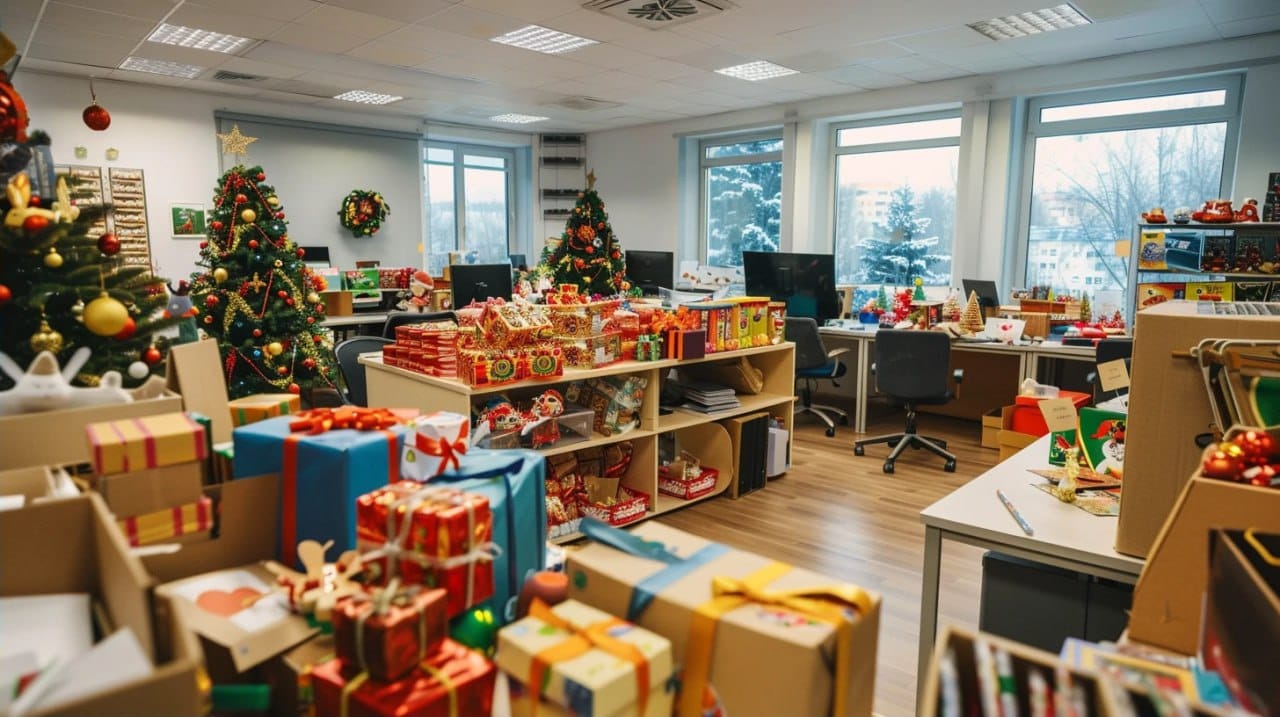
Regarding holiday preparations, the space should reflect the brand’s positioning. Decorate showrooms with subtle elegance: a real Christmas tree, minimalist garlands, and sophisticated natural compositions. Such decor emphasizes the occasion’s essence without detracting from the products.
Surprises during the holiday season are vital, even when most clients are affluent. Gifts that aren’t seen as aggressive sales tactics are appreciated. For an auto dealership, consider offering free maintenance or a year of insurance, and for a premium jewelry store, complimentary cleaning services under warranty.
During this time, focusing on repeat customers is particularly important. Personalized letters with invitations to exclusive events, scheduled appointments, and special financing terms with holiday bonuses can illustrate how much each individual is valued.
Mistakes to Avoid
Even brilliant ideas from top marketers and promotion specialists can be spoiled by arbitrary execution. Here are some common missteps:
- over-decoration — when a store turns into a marketplace for holiday goods, the shopping environment is lost. Customers may wander through the over-hangings of tinsel and leave aimlessly, forgetting what brought them in initially.
- aggressive discounts — everywhere, signs of wild sales and discounts up to 100 percent may be perceived as a desperate attempt to clear out old stock.
- insufficient preparation of staff — genuine good-natured interaction earns customer trust. If someone isn’t ready to assist sincerely, it’s better not to let them on the sales floor.
- universal approach — what works successfully in a grocery supermarket could ruin the atmosphere in a jewelry store. Always rely on the unique attributes of your clientele—a profile of the average shopper should be at your fingertips when making decisions.
Pre-Holiday Preparation Checklist for Retail Spaces
Our universal checklist ensures no detail is missed when prepping your store for the holidays.
- Evaluate your store’s current state. Experience the customer’s journey: How does the window display look? What’s the scent in the sales area? How’s the music? What do our customers like? Empathy is critical at every stage.
- Formulate your holiday message. What emotion do you want to evoke in customers? What should they feel when coming to you: coziness, luxury, joy, dreaminess, or inspiration?
- Plan the customer journey from entrance to checkout. Every detail along the customer's path should support the atmosphere you've selected. This includes product placement, packaging, price tag design, and fitting rooms.
- Devise promotions and bonuses. Besides mere price reductions, offer something that enhances the positive emotions of the purchase: gift wrapping, a small gift, an additional service, a bonus card, or a festive bundle. Provide real value.
- Prepare your team. Conduct training sessions on maintaining customer moods. You might need a professional’s help, but it's worthwhile—90% of negative reviews stem from interactions with unfriendly staff.
- Value feedback. Encourage customers to give reviews subtly—perhaps a sign or sticker with your Google Maps rating would suffice. Assess feedback and social media comments objectively and avoid generic templates that many businesses use like, "Thanks, your feedback is important to us, we'll certainly address the matter." If someone complained, mention what you actually did. For praise, thank each client personally.
How Secret Santa Can Enhance the Holiday Atmosphere for Customers
Stores that professionally create a festive atmosphere excel in sales and customer loyalty. If you have a pool of regular customers, invite them to infuse life into your holiday decor together by organizing a gift exchange using the MySanta service.
The service helps easily organize activities among employees, customers, or a whole brand community. This creates lively engagement in the store and strengthens the connection between staff and customers with the brand.
How to Set Up the Secret Santa
- Create a Secret Santa-themed festive zone. Here, participants can leave and receive presents and messages.
- Launch a local game among customers or staff using the the MySanta service. Everyone who spends money at your store from December 1 to December 20 can participate in the gift exchange. The key is to show up in the store on the draw day.

Conclusion
Creating a festive atmosphere is an investment in the future perception of the brand.
A holiday in a store is not a collection of random decorations but a carefully constructed scenario that brings joy. And happy customers shop more often, eagerly share experiences, and keep coming back.